
Entertainment News4 min(s) read
World War II movie with ‘sickening 25-minute sequence from hell’ becomes ‘highest-rated film of all time’

A Soviet-era World War II film featuring a shocking 25-minute sequence described as “hell on earth” has officially become the highest-rated narrative feature of all time on the popular movie review platform Letterboxd.
The film, Come and See (Idi i smotri), directed by Elem Klimov, is widely regarded as one of the most harrowing and unforgettable depictions of war ever put to screen.
A “necessary” but unforgettable watch
Audiences have flooded social media with praise, albeit coupled with warnings about the film’s gut-wrenching subject matter.
One user described it as “horrifying, accurate, [and] devastating in every sense.”
Another added: “This isn’t a fun and enjoyable film but it’s a necessary one.”
A third viewer summed it up by writing: “One of the most disturbing films I’ve ever seen. This is going to stick with me for a long time, truly a testament to the devastating power of cinema.”
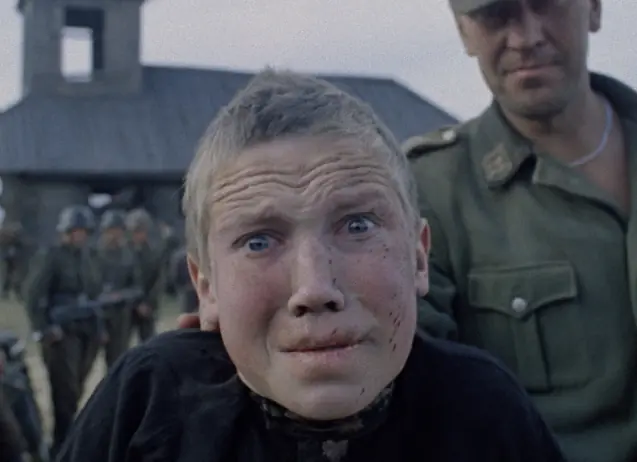
The story behind Come and See
Released in 1985, Come and See is based on the 1971 novel Khatyn by Ales Adamovich and the 1977 survivor testimony collection I Am from the Fiery Village.
Set during the Nazi occupation of Belarus, the movie follows a young boy named Flyora (Aleksei Kravchenko) as he transitions from a carefree teenager into a haunted witness of unspeakable atrocities.
The film was shot in chronological order, allowing audiences to experience Flyora’s loss of innocence in real time as he witnesses escalating horrors.
The infamous 25-minute sequence
One of the film’s most infamous scenes depicts German forces forcing Flyora to watch as an entire Belarusian village is locked inside a church and burned alive. The sequence lasts 25 agonizing minutes, with Collider labeling it “one of the most sickening depictions of wartime ever captured on film."
The realism of the scene left an indelible mark on both audiences and the young actor himself.
Pushing the limits of acting
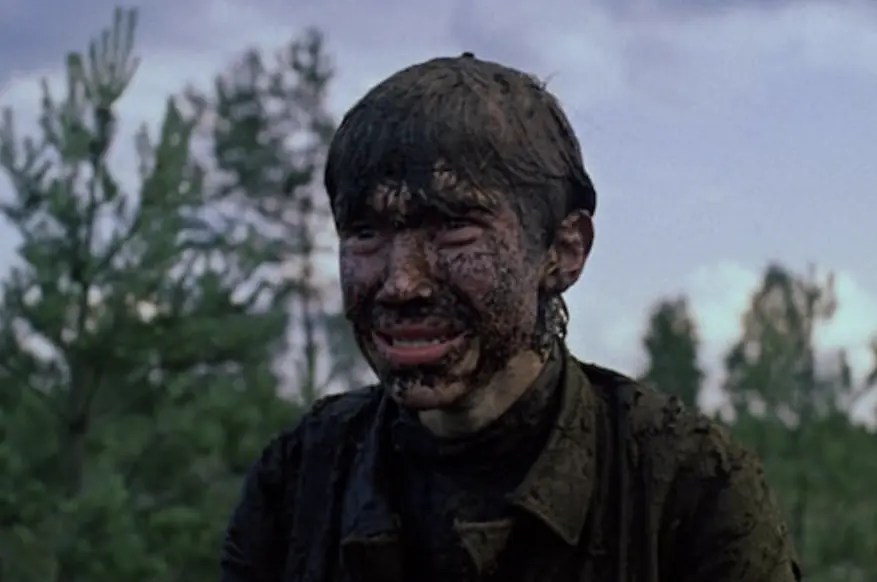
For Kravchenko, making Come and See was an ordeal. Director Klimov subjected the teenager to extreme conditions in pursuit of authenticity. For instance, Kravchenko revealed he was expected “to work to the sweat of my brow” and was treated as an adult rather than a child actor and that, in order to prepare for the role, he was shown real concentration camp footage.
Klimov even attempted to hypnotize Kravchenko so he could endure the psychological strain of the horrific scenes, but when the hypnosis failed, the young actor had to rely on sheer willpower. He was also told to lose weight to appear more malnourished, surviving on what he called an “inch diet,” where he drank only water for two days at a time while jogging extensively, as per a YouTube interview.
The trauma was so great that Kravchenko stepped away from acting for nearly a decade after the film’s release.
Critical acclaim and cultural legacy
Despite its brutal subject matter, Come and See has earned near-universal acclaim. It holds an audience score of 96% on Rotten Tomatoes and continues to be praised as one of cinema’s most powerful anti-war statements.
The film also ranked in the Sight & Sound Directors’ Poll of the Greatest Films of All Time, cementing its place in cinema history.
In its announcement post, Letterboxd confirmed: “Elem Klimov’s Come and See is now officially the highest-rated narrative feature film of all time on Letterboxd. It’s the fourth film to ever take that spot after The Godfather, Parasite, and Everything Everywhere All at Once.”
Nearly 40 years after its release, Come and See continues to resonate with audiences because of its unflinching realism. Unlike stylized Hollywood war films, Klimov’s masterpiece forces viewers to confront the devastating cost of violence on civilians, particularly children.
It may not be an easy film to watch, but as many fans highlight, it remains an essential one.