
Lifestyle2 min(s) read
Restaurant bans man from all-you-can-eat buffet for eating too much

A restaurant in China has banned a customer for eating too much from their all-you-can-eat BBQ buffet.
The customer - who is a food blogger by trade - told local media outlet Hunan TV that he was banned from the Handadi Seafood BBQ Buffet in Changsha city, after a series of visits.
The man, who is known only as Mr Kang, said he's been barred from the restaurant's premises for overeating, BBC News reports.
During one such visit, Kang said, he ate 3.3lbs of pork trotters. Another time, the live-streamer polished off between 7.7lbs to 8.8lbs of shrimp.
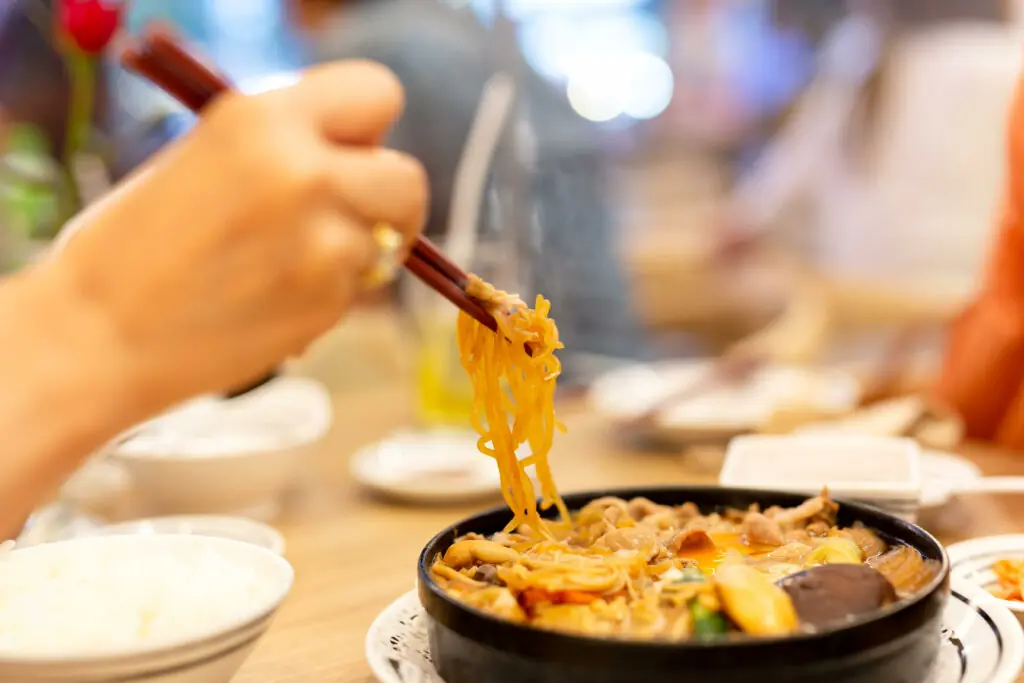
Kang told Hunan TV that the restaurant was "discriminatory" against people who can eat a lot, adding: "I can eat a lot - is that a fault?" he asked, adding that he always finished his meals at the restaurant.
However, the restaurant owner told the same TV channel he loses a few hundred yuan every time Kang eats at his establishment.
The owner said: "Even when he drinks soy milk, he can drink 20 or 30 bottles. When he eats the pork trotters, he consumes the whole tray of them. And for prawns, usually people use tongs to pick them up, he uses a tray to take them all."
The restaurant owner added that he will now blacklist all food live-streamers, and not just Kang.
His decision sparked mixed reactions from social media users. While some said that the restaurant shouldn't advertise an all-you-can-eat buffet if it cannot afford it, others expressed sympathy with the owner.

Per Daily Mail, since the news broke on 18 November, it has been trending on Chinese social media app Weibo with more than 250 million views.
Chinese president Xi Jinping launched a campaign to reduce food wastage last year, amid fears of shortages during the ongoing Covid-19 pandemic.
The news announced at the beginning of November by the Chinese Ministry of Commerce sparked panic buying among the public.
According to CNN Business, the announcement orders local authorities to ensure that citizens have an 'adequate supply' of essentials for the winter, and urges them to keep food costs stable.