
A man who believes he may have the smallest micropenis in the world has opened up about how it affects the way he urinates.
Michael Phillips, 38, was medically diagnosed with a 0.38 inch micropenis last year, which he believes could be the smallest one in the world.
The average penis size worldwide ranges from 5.1 to 5.7 inches, with a micropenis being classed as one that is under 2.9 inches on an adult male.
Michael revealed how he first discovered his manhood was below average size, revealing on This Morning: "I would say probably around high school, and dealing with girlfriends and stuff like that.
"But I was always under the belief that maybe I'm a late bloomer, maybe one day it'll get to normal size. And then it just never did."
Michael, who is adopted, revealed that he never felt able to raise the issue with his parents, even after he passed through puberty and found that his penis hadn't grown.
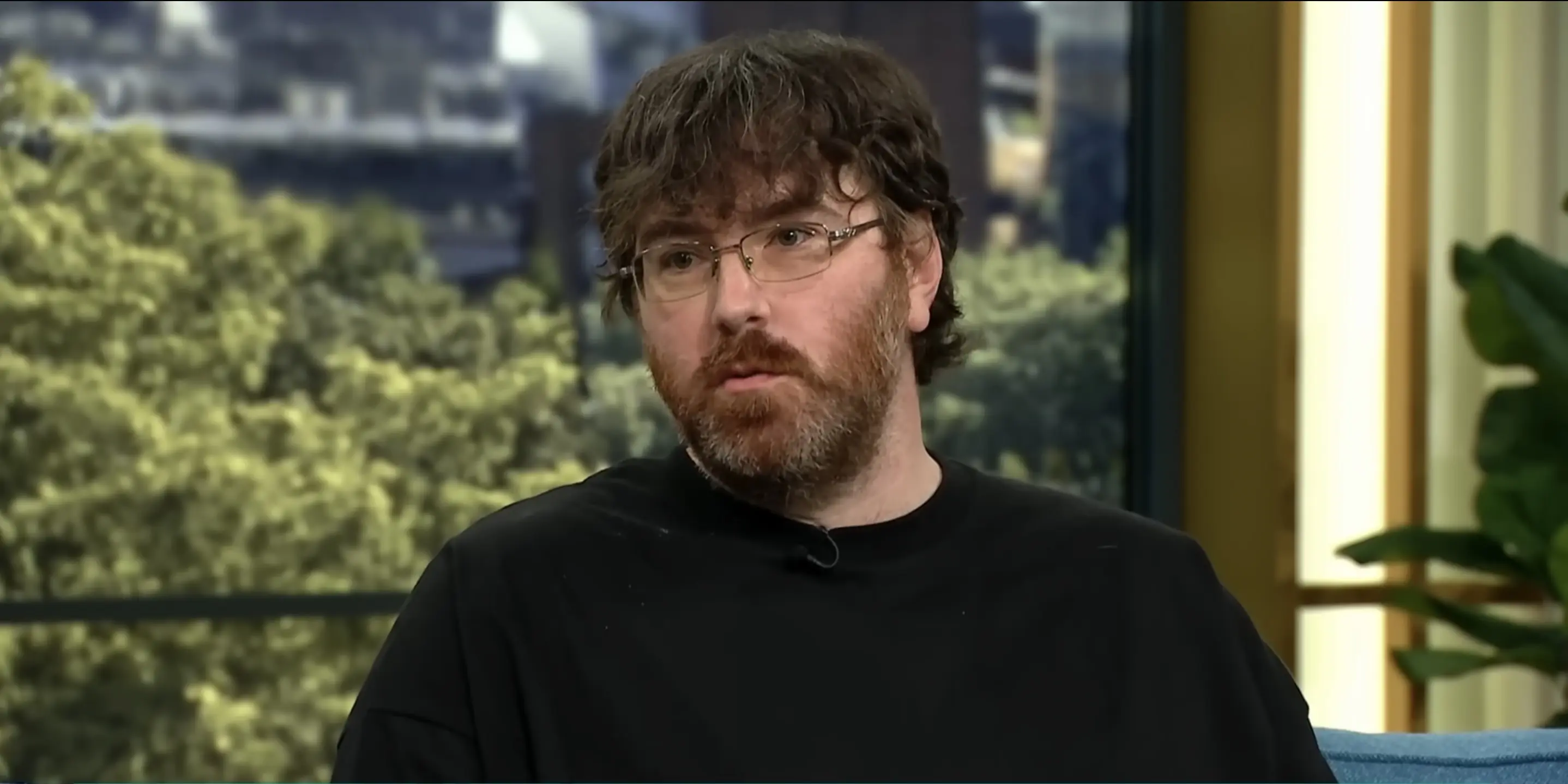
He revealed that he tried to keep the issue to himself throughout his teens and twenties and was always single despite his friends wondering why he wasn't dating.
"I just didn't want to go through that," he admitted.
Addressing whether he was ever bullied for his small appendage, Michael revealed: "There was a few girlfriends in high school or whatever that knew about it, but as far as I know, it never got around. I didn't get picked on for it or anything, because nobody knew."
Michael revealed that his micropenis makes sexual intercourse impossible, and has effects on other areas of his life.
He explained: "Aside from that I can't go out and have a one night stand, I can't go out and do things like that, but it also affects your ability to use the restroom, your confidence."
Michael added that even peeing sitting down "can be tricky with clean-up and everything".
In an attempt to improve the situation, Michael even tried having fat injected into his penis to lengthen it, but the treatment did not work.
He hopes by speaking out about his own experience, it helps people to recognise that a micropenis can be a medical condition and encourage people that may have one to reach out for help from their doctors.
Michael revealed that by the time he'd spoken to a doctor he was told there was nothing that could be done, but if he'd reached out earlier there may have been some medical intervention that could have improved his situation.